
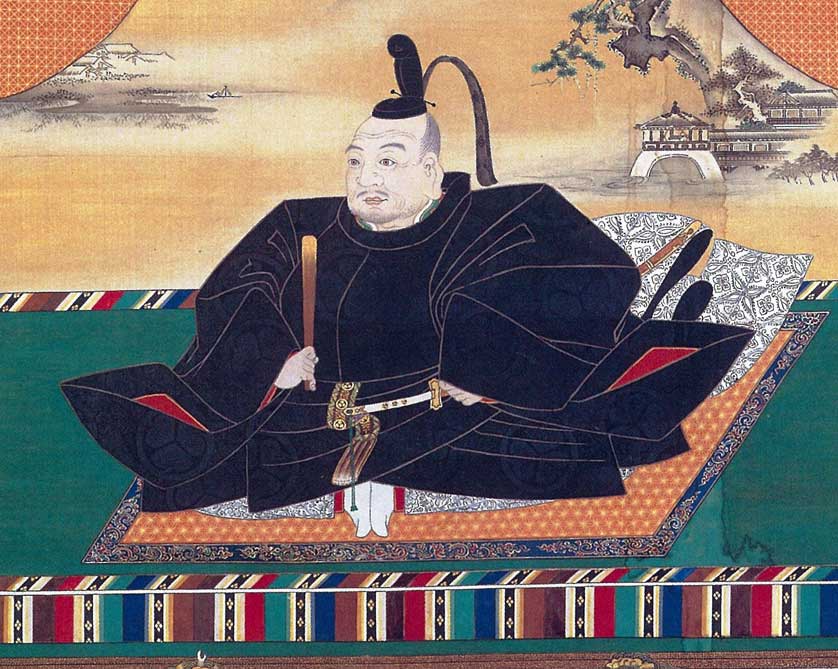
Tokugawa Ieyasu was a Japanese daimyo, military leader, and the founder of the Tokugawa shogunate, which ruled Japan for more than 250 years. Born during the violent Sengoku period, he spent much of his youth as a political hostage amid the constant struggles between rival clans.
Ieyasu gradually rose to power through alliances, military skill, and political patience. He allied himself with major figures such as Oda Nobunaga and Toyotomi Hideyoshi, surviving decades of warfare and positioning himself as one of the most powerful lords in Japan.
After Hideyoshi’s death, tensions among competing daimyo erupted into conflict. In 1600, Ieyasu achieved a decisive victory at the Battle of Sekigahara, one of the most important battles in Japanese history. The victory secured his dominance over the country.
In 1603, the emperor appointed Ieyasu as shogun, formally establishing the Tokugawa shogunate with its capital in Edo, later known as Tokyo. His government centralized authority, controlled the daimyo, and created a stable political system that lasted until the Meiji Restoration in 1868.
The Tokugawa era brought long-term peace, economic growth, urbanization, and cultural development to Japan. Ieyasu also implemented policies that restricted foreign influence and strengthened internal order.
Tokugawa Ieyasu died in 1616, but his political system endured for centuries. He is remembered as one of the three great unifiers of Japan and one of the most successful political leaders in Japanese history.