
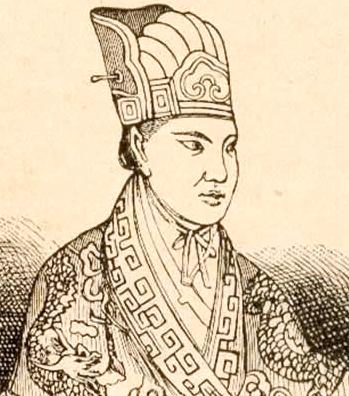
Hong Xiuquan was a Chinese religious leader and revolutionary best known as the founder of the Taiping Heavenly Kingdom, a movement that led one of the deadliest civil wars in human history. Born in Guangdong Province during the Qing dynasty, he came from a modest Hakka family and studied for the imperial civil service examinations.
After repeatedly failing the examinations, Hong experienced a series of religious visions that he later interpreted as divine revelations. Influenced by Christian missionary writings, he came to believe that he was the younger brother of Jesus Christ and was chosen to destroy evil and reform China.
Hong founded the God Worshipping Society, which attracted followers dissatisfied with Qing rule, social inequality, and economic hardship. The movement rapidly expanded in southern China and evolved into a massive rebellion against the Qing dynasty.
In 1851, Hong proclaimed the Taiping Heavenly Kingdom and declared himself the Heavenly King. Taiping forces captured large territories and established their capital at Nanjing, where they attempted radical social reforms including land redistribution, restrictions on opium and alcohol, and greater rights for women.
The Taiping Rebellion devastated China for more than a decade and resulted in tens of millions of deaths through warfare, famine, and disease. Internal divisions, military setbacks, and growing pressure from Qing forces eventually weakened the movement.
Hong Xiuquan died in 1864 shortly before Qing forces recaptured Nanjing and crushed the rebellion. Although the Taiping Heavenly Kingdom collapsed, the rebellion profoundly weakened the Qing dynasty and remains one of the most significant uprisings in Chinese history.