
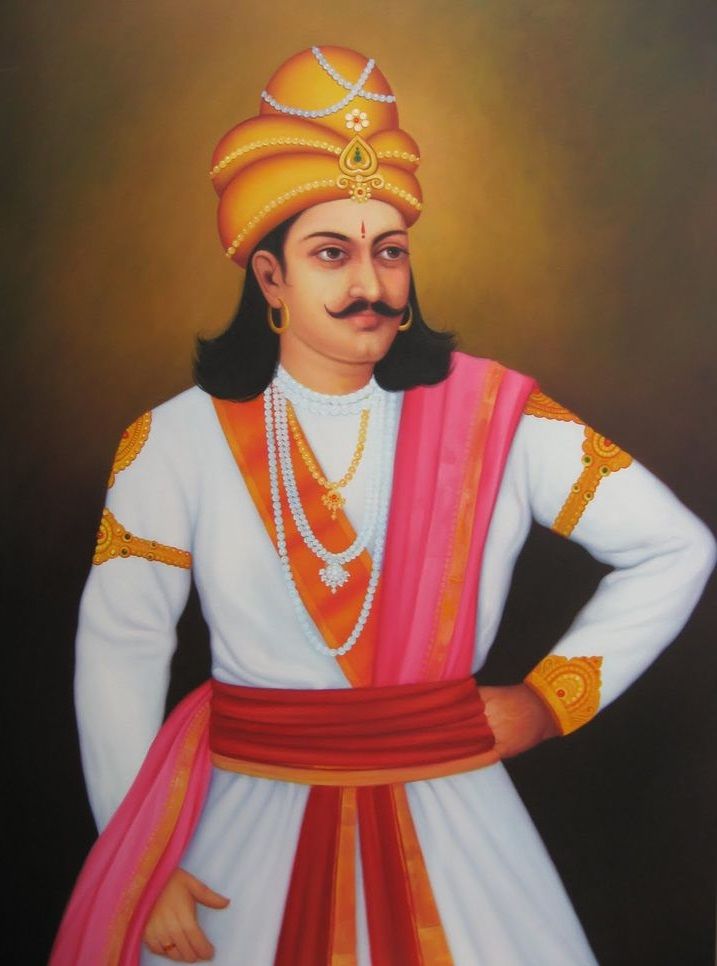
Ashoka the Great was the third ruler of the Maurya Empire and one of the most influential emperors in Indian history. He inherited one of the largest empires in the ancient world and expanded it further through military campaigns across the Indian subcontinent.
Early in his reign, Ashoka pursued aggressive expansionist policies, culminating in the bloody conquest of Kalinga around 261 BCE. The immense suffering caused by the war profoundly affected him and became the turning point of his life.
Following the Kalinga War, Ashoka embraced Buddhism and adopted a policy centered on nonviolence, ethical governance, and social welfare. He promoted religious tolerance, built roads and hospitals, planted trees for travelers, and encouraged compassion toward both humans and animals.
Ashoka spread Buddhist teachings across Asia by supporting missionaries and religious institutions. Under his patronage, Buddhism expanded beyond India into regions such as Sri Lanka and Central Asia, laying the foundation for its later influence throughout East and Southeast Asia.
His ideals and policies were recorded in a series of inscriptions known as the Edicts of Ashoka, carved onto rocks and pillars throughout his empire. These edicts remain among the most important historical sources for understanding ancient India and Ashoka’s philosophy of rule.
Today, Ashoka is remembered as a symbol of wise and compassionate leadership. The Lion Capital of Ashoka became the national emblem of India, and the Ashoka Chakra appears at the center of the Indian national flag.